
Astypalea
The Butterfly of the Aegean


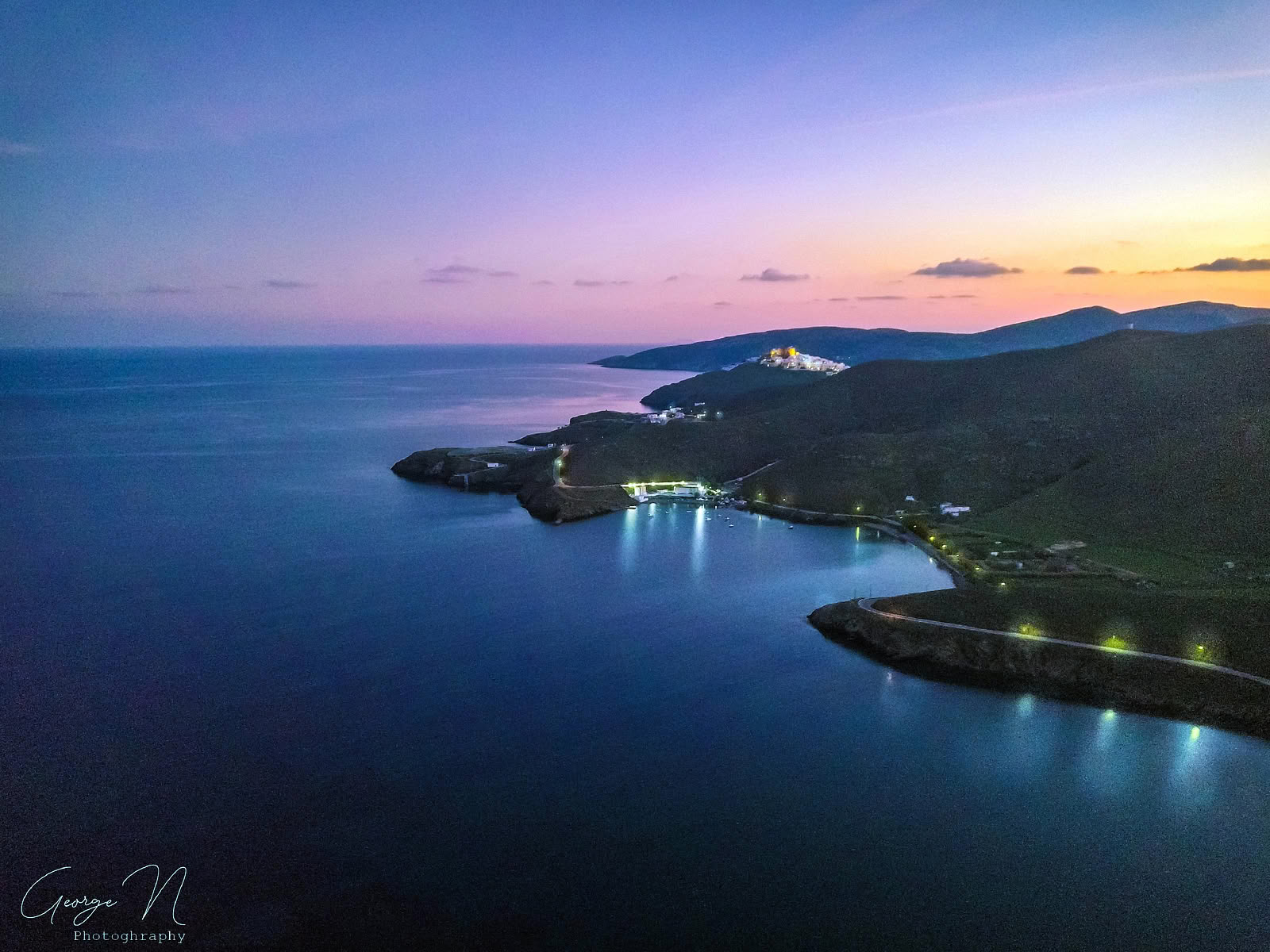
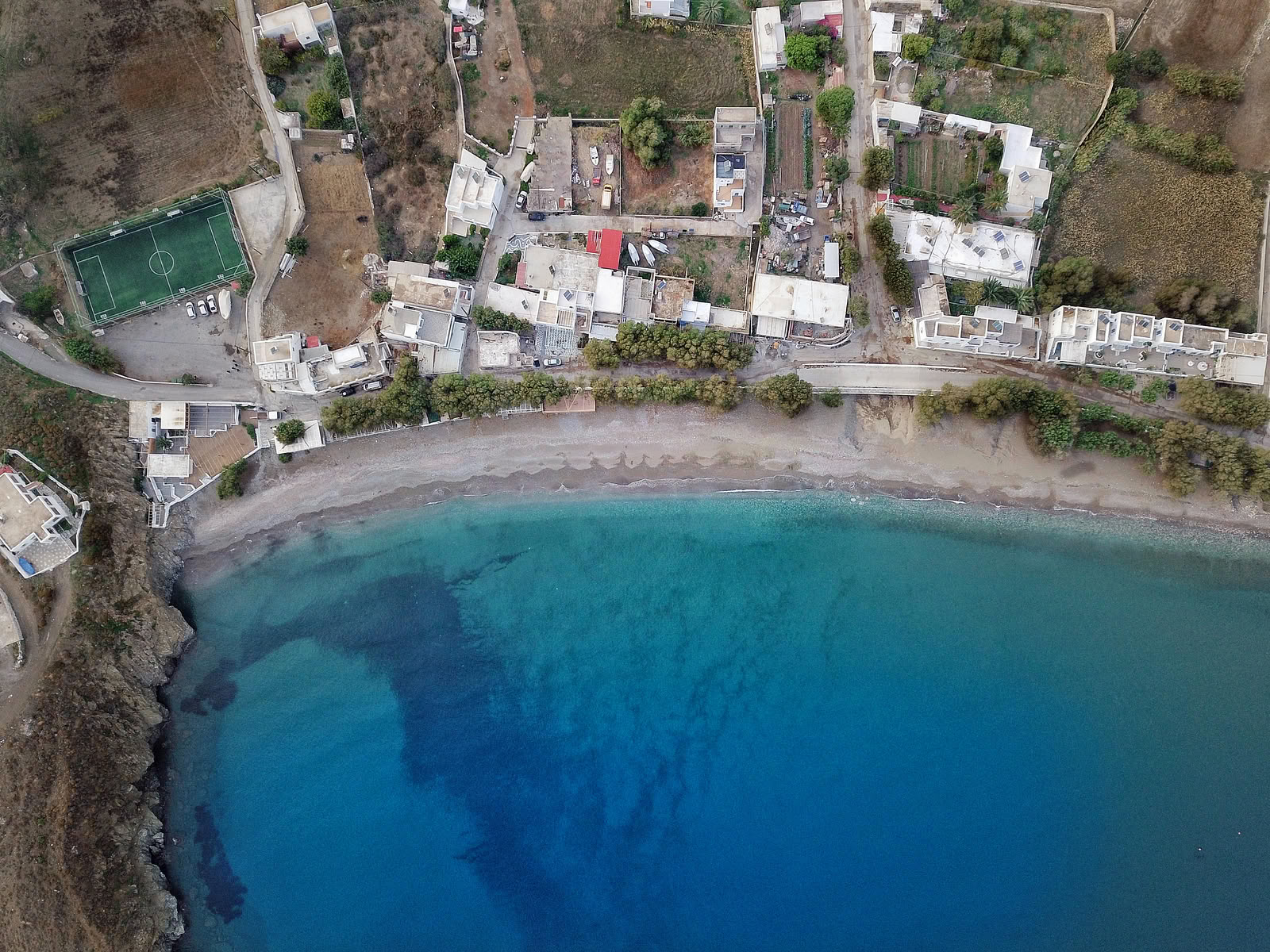
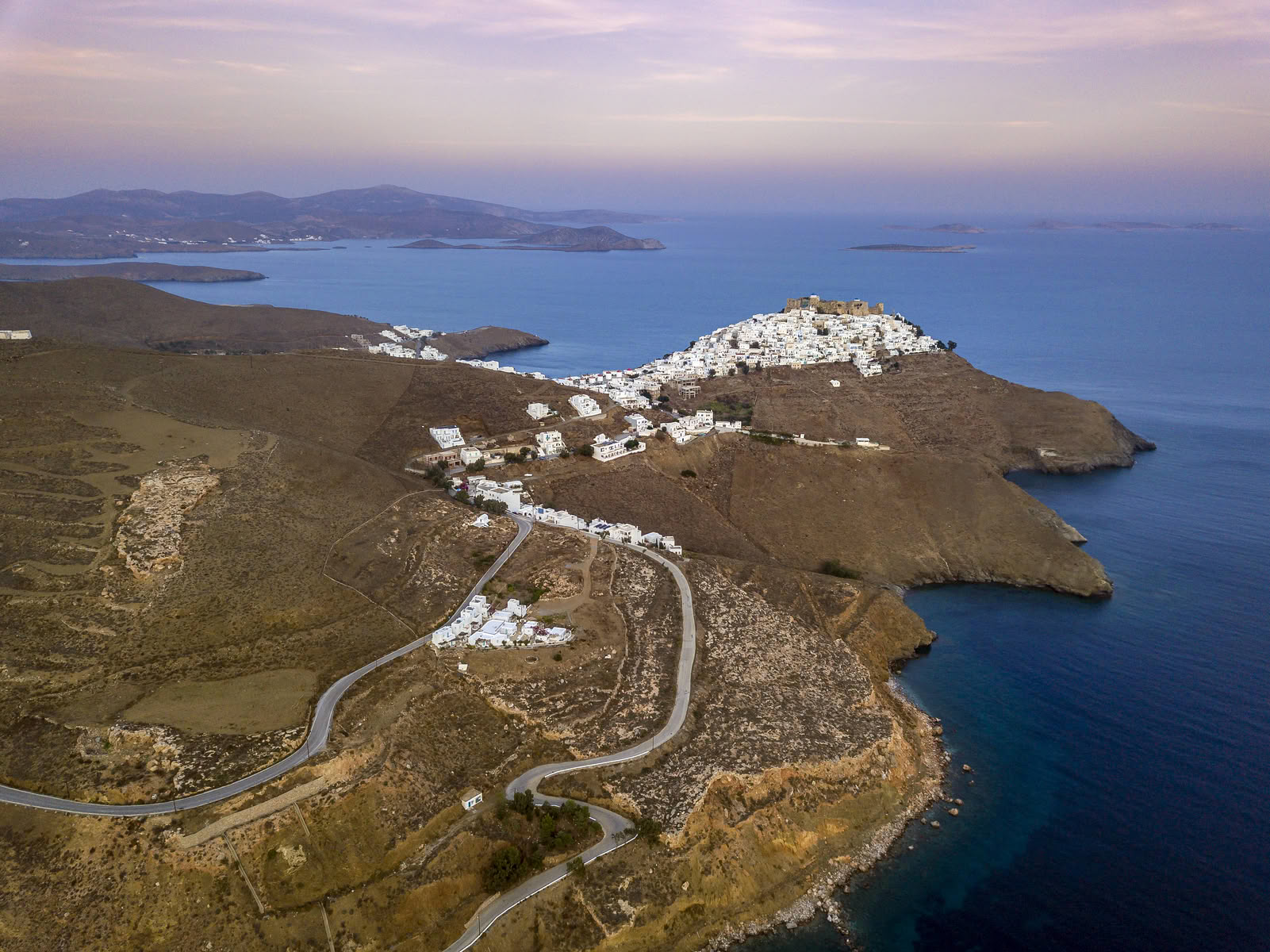
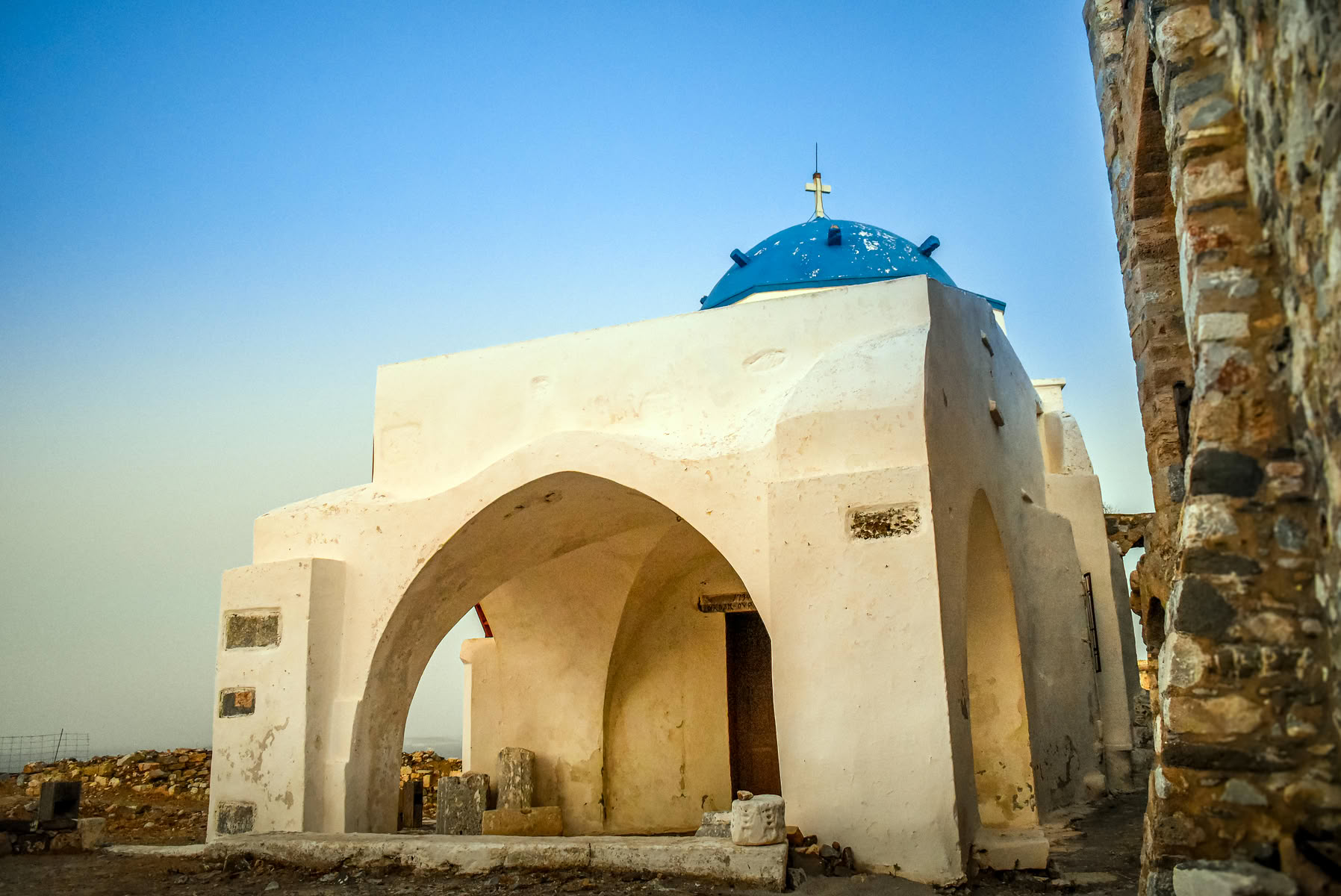
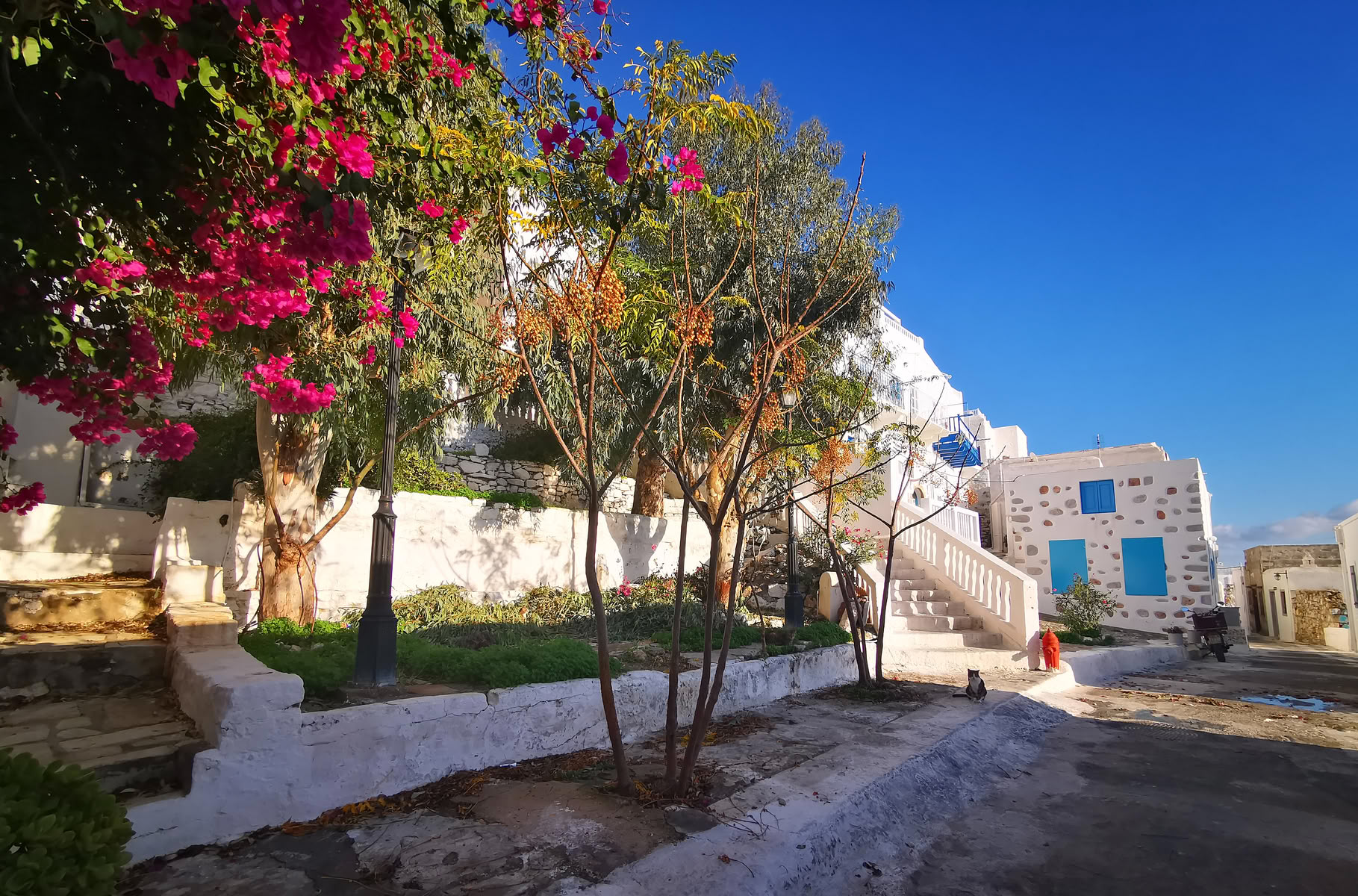
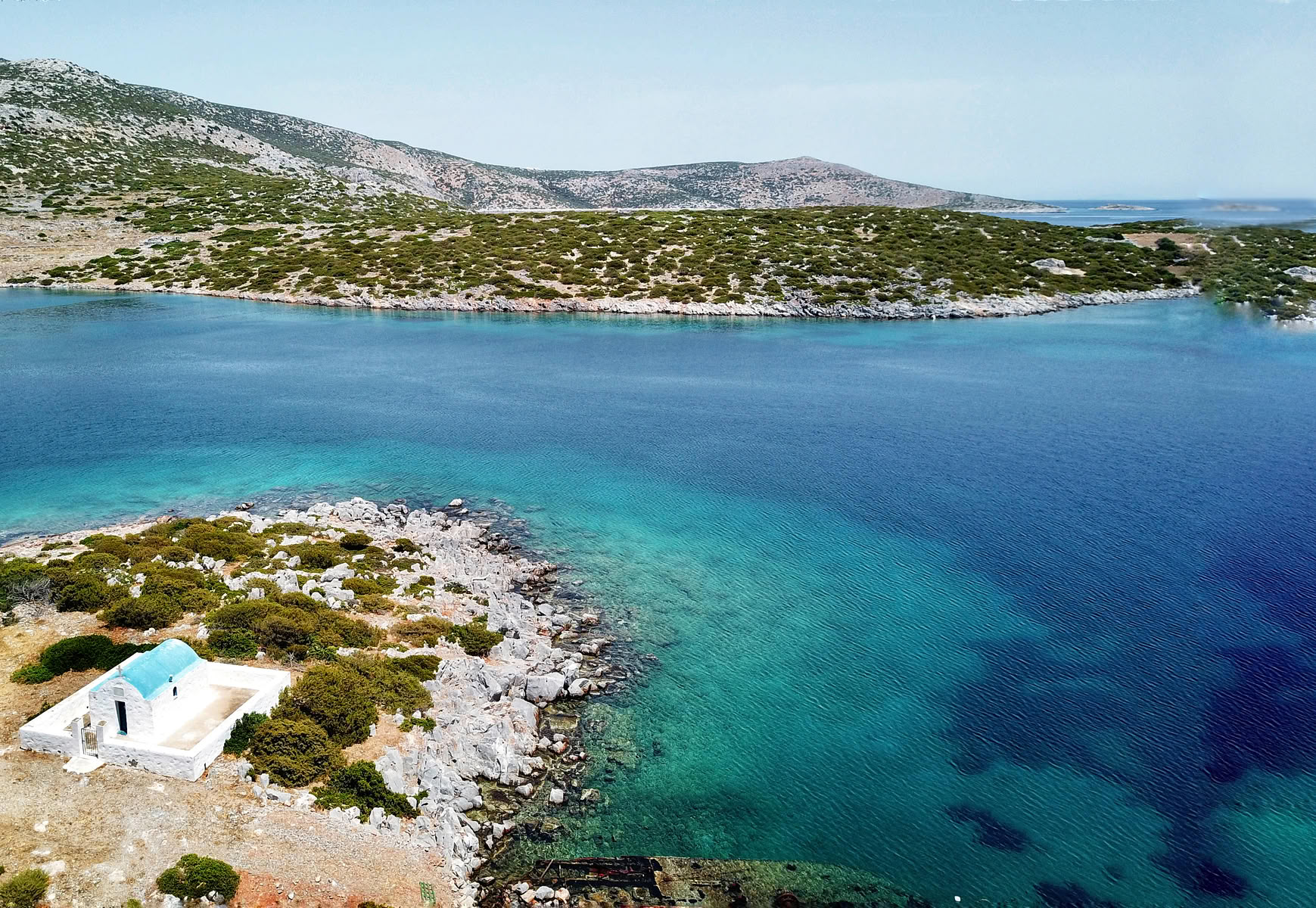
Nestled between Amorgos and Kos, Astypalea belongs to the Dodecanese group and serves as a serene bridge between the Cyclades and the North Aegean islands. Its history stretches back to the Cycladic period, with ancient settlements still visible around Mesa Vathi (Pyrgos), and Mycenaean vaulted tombs found in Armenochori and Sygero. Over the centuries, the island welcomed settlers from Megara and Argolida, enjoyed its own Olympic champion in 496 B.C., and played a part in the Peloponnesian War as an ally of Athens. Roman baths, Byzantine churches, and the Venetian castle of St. John in Chora are lasting testimonies of Astypalea’s rich and layered past. Venetian, Turkish, and Italian influences have all left their mark, blending into the island’s unique character, which finally returned to Greece on March 7th, 1948.
Today’s Astypalea
Astypalea charms visitors with its five unique villages:
-
Chora – the island’s capital, a traditional settlement climbing up to the Venetian castle, with narrow streets lined with whitewashed houses, windmills, tiny churches, cafes, taverns, and breathtaking views over Pera Gialos. At night, the castle and town lights create a magical atmosphere.
-
Livadi – just 1.5 km southwest of Chora, Livadi is one of the greenest parts of the island, dotted with vineyards, tangerine orchards, and gardens. Its southern beaches, lined with taverns and cafes, make it a favorite summer destination.
-
Analipsi – a quiet, traditional fishing village 9.5 km northwest of Chora. Ideal for a relaxed, authentic experience, visitors can stroll along the pier, buy fresh fish from local boats, or enjoy simple meals at cozy taverns.
-
Exo Vathi & Mesa Vathi – small rural villages to the north. Mesa Vathi hosts the area’s only fish tavern, while Exo Vathi offers tranquility and a glimpse of traditional island life, perfect for those seeking peace and simplicity.
From sun-drenched beaches and emerald landscapes to historical treasures and charming villages, Astypalea invites you to slow down, breathe, and enjoy life at its own gentle rhythm.
Service |
Phone Number |
|---|---|
Municipality of Astypalea |
22430-61206 |
Police Station |
22430-61207 |
Port Authority |
22430-61208 |
Community Clinic |
22430-61222 |
Airport |
22430-61410 |
Pharmacy |
22430-61666 |